Flexible Cystoscopy Pattaya | Specialist Urology Clinic
Safe, comfortable flexible cystoscopy for bladder examination. Fast and precise. Check prices and real patient reviews in Pattaya, Thailand.
What is Flexible Cystoscopy?
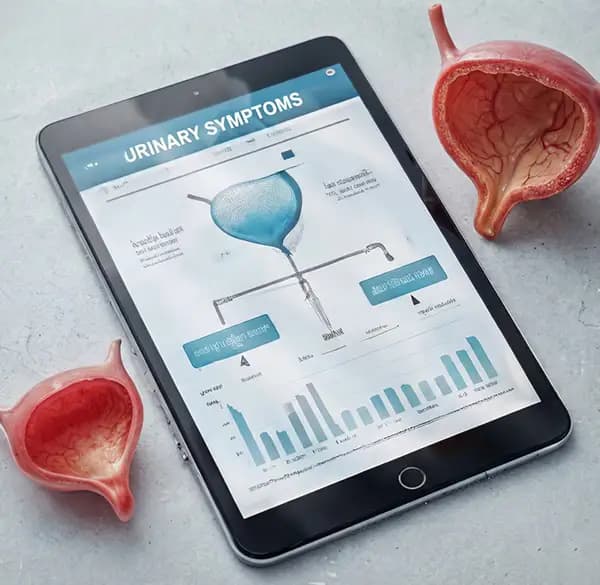
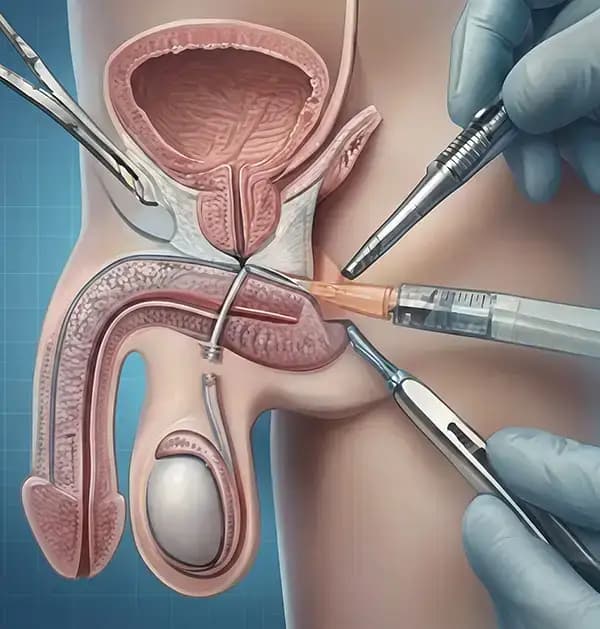
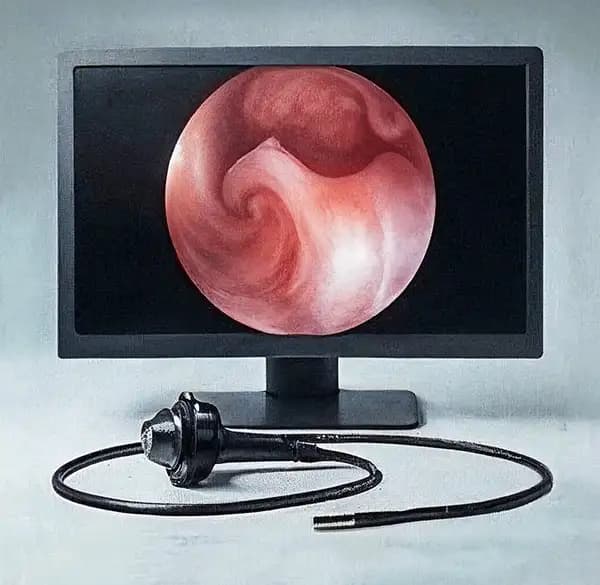
Flexible cystoscopy is a minimally invasive diagnostic procedure that allows a urologist to directly examine the lining of the bladder and the urethra using a thin, soft, bendable scope. Unlike older rigid cystoscopes, the flexible design follows the body's natural curves, resulting in significantly less discomfort. The procedure is performed under local anesthesia (topical gel), takes only 5-10 minutes, and patients can return to normal activities immediately afterward.
Clinical Mechanism
The Clinical Mechanism & Diagnostic Power:
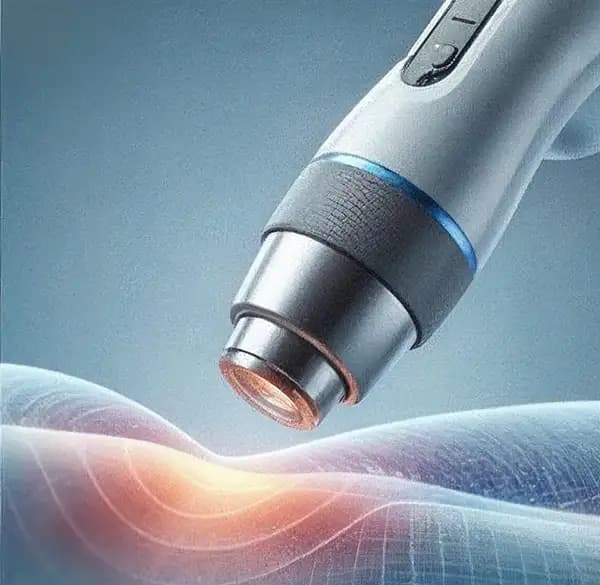
1. High-Definition Visualization: The flexible cystoscope is equipped with a high-resolution camera and light source. It is gently inserted through the urethra, allowing the doctor to inspect the entire bladder lining, urethra, and prostate (in men) with exceptional clarity.
2. What We Detect:
* Hematuria: Investigates the source of blood in the urine.
* Bladder Tumors: Early detection of bladder cancer or polyps.
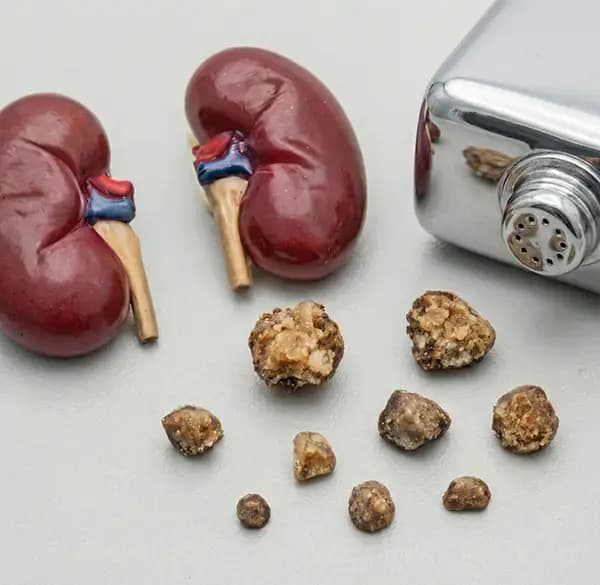
* Stones: Identifies bladder stones causing pain or blockage.
* Strictures: Detects narrowing of the urethra hindering urine flow.
* BPH: Assesses the degree of prostate enlargement blocking the urethra.
3. Why 'Flexible' Matters: The soft, pliable design causes minimal friction and significantly less discomfort compared to rigid scopes. Performed under local anesthesia (topical gel), the procedure is quick (5-10 mins) and patients can return to normal activities immediately.
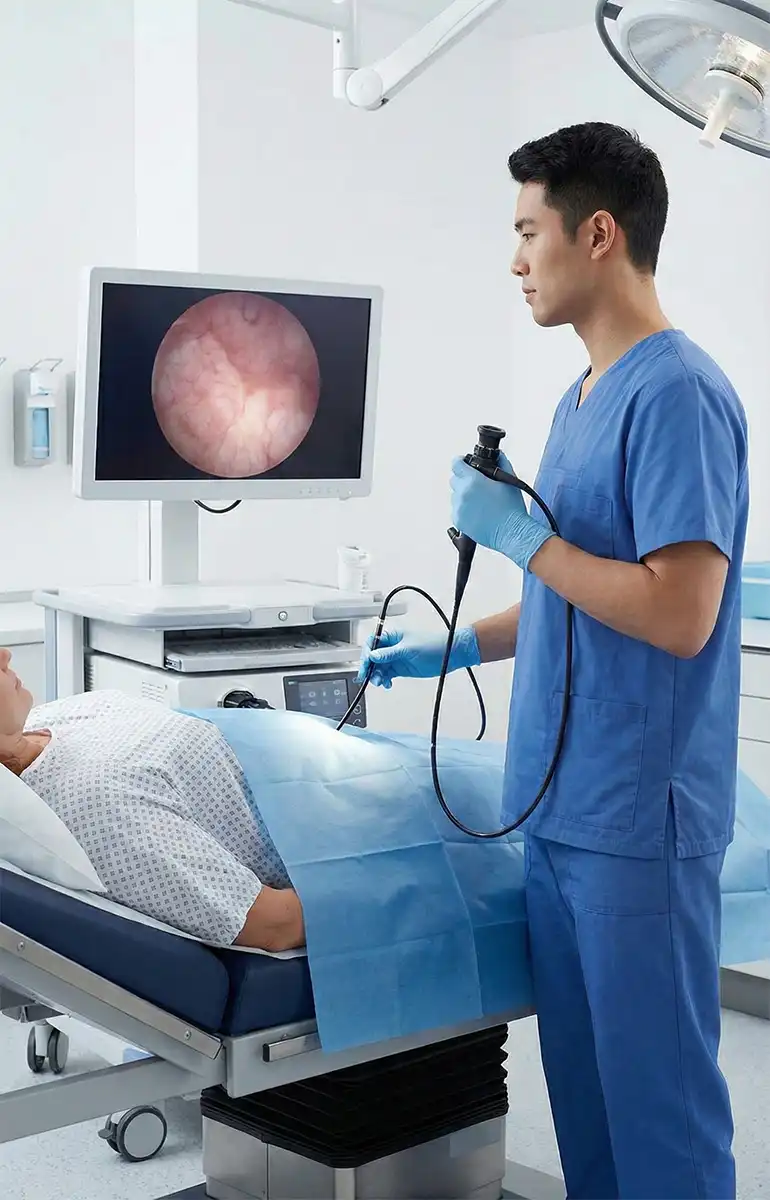
Treatment Procedure
Preparation
Topical anesthetic gel is applied to the urethra for numbing and lubrication. Patient lies comfortably on the exam table.
Scope Insertion
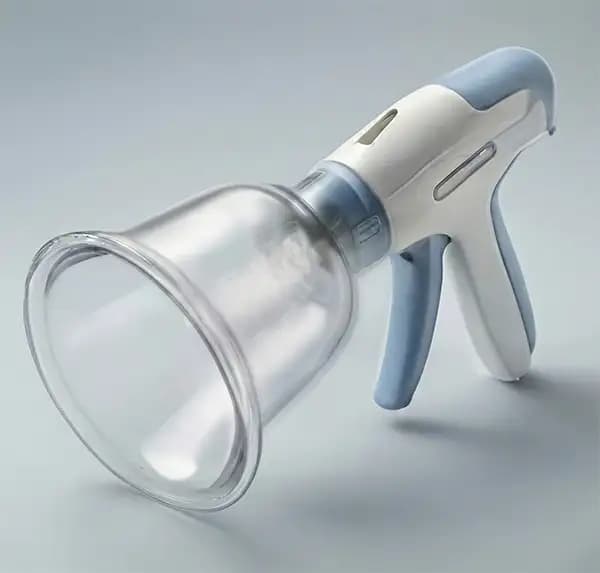
The thin, flexible scope is gently inserted through the urethra into the bladder. Most patients feel only mild pressure.
Examination
Sterile water gently fills the bladder for optimal visualization. The doctor examines the urethra and entire bladder lining on a monitor.
Completion
Scope is removed. Results are discussed immediately. Patient can get dressed and leave right away.
Safety & Comfort
Flexible cystoscopy is an extremely safe procedure. The most common after-effect is a mild burning sensation during the first 1-2 urinations, which resolves within 24 hours. Drinking plenty of water after the procedure helps. Serious complications such as infection or significant bleeding are very rare (<1%).
Suitable Candidates
- Patients with hematuria (blood in urine) requiring investigation of the cause.
- Those with recurrent or chronic urinary tract infections (UTIs).
- Men experiencing lower urinary tract symptoms (LUTS) such as weak stream, frequent urination, or incomplete emptying.
- Patients requiring bladder cancer surveillance after previous treatment.
Procedure & Recovery Timeline
Diagnostic Examination
Procedure takes 5-10 minutes. Mild burning sensation during the first 1-2 urinations is normal and temporary.
Full Recovery
Any minor irritation typically resolves within 24 hours. Normal activities can be fully resumed.
Results & Treatment Plan
Doctor discusses findings with you immediately after the procedure, or schedules a follow-up consultation if further tests are needed.
Frequently Asked Questions
QIs the procedure painful?
Most patients describe it as mild pressure or a brief stinging sensation rather than pain. The flexible scope bends to follow the body's natural curves, and the topical anesthetic gel significantly reduces discomfort.
QHow should I prepare for the procedure?
No fasting is required. You can eat and drink normally before your appointment. It is recommended to empty your bladder before the procedure begins.
QWill I experience discomfort when urinating afterward?
A mild burning sensation during the first 1-2 urinations is normal and temporary. Drinking plenty of water helps flush the urinary tract. Symptoms typically resolve completely within 24 hours.
Ready to Start?
Consult with our Board-certified specialists at M-Trust Urology for Flexible Cystoscopy Pattaya | Specialist Urology Clinic.