Kidney Stone Laser Treatment Pattaya | Real Results Lithotripsy
Safe minimally invasive Holmium laser lithotripsy. Fast recovery. Check real reviews and affordable prices in Pattaya, Thailand.
What is Laser Lithotripsy for Stone Disease?
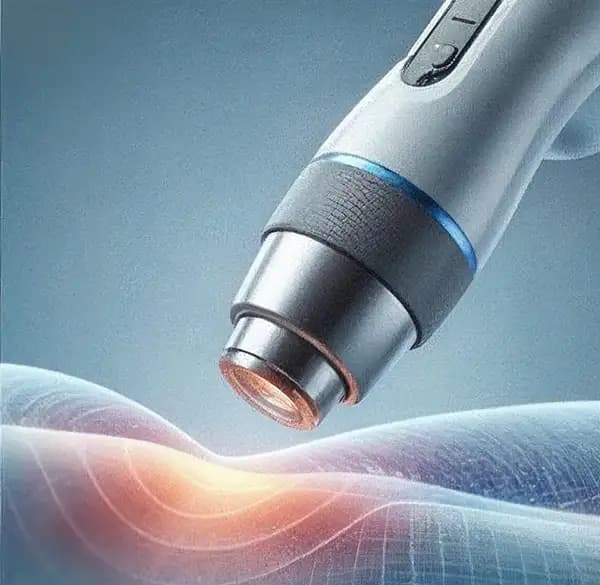
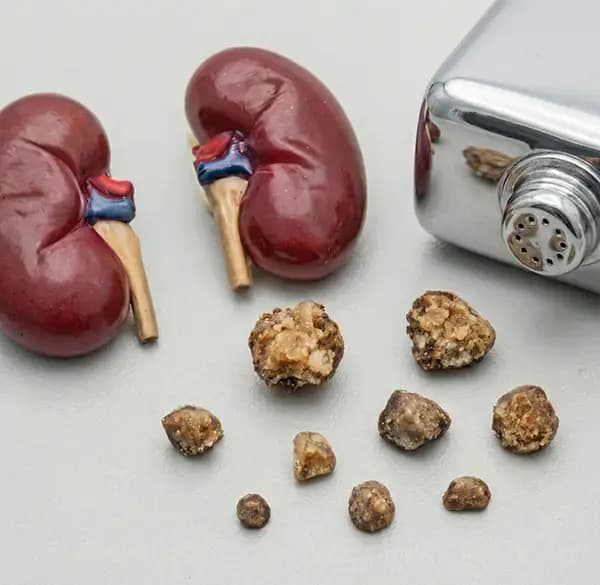
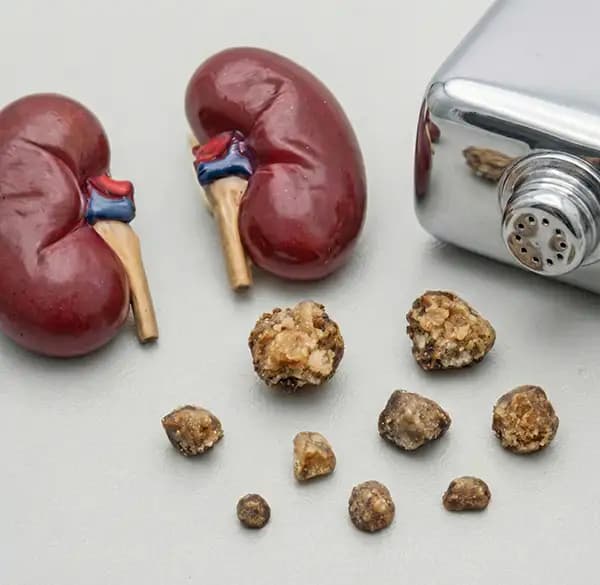
Laser lithotripsy is a minimally invasive surgical procedure used to treat stones in the kidney, ureter, or bladder. Using a thin, flexible scope (ureteroscope) passed through the body's natural openings, the urologist uses a Holmium laser to break stones into tiny fragments or fine dust all without making a single incision.
Clinical Mechanism
Treatment Procedure
Anesthesia
General or spinal anesthesia. Patient asleep or numb from waist down.
Ureteroscopy
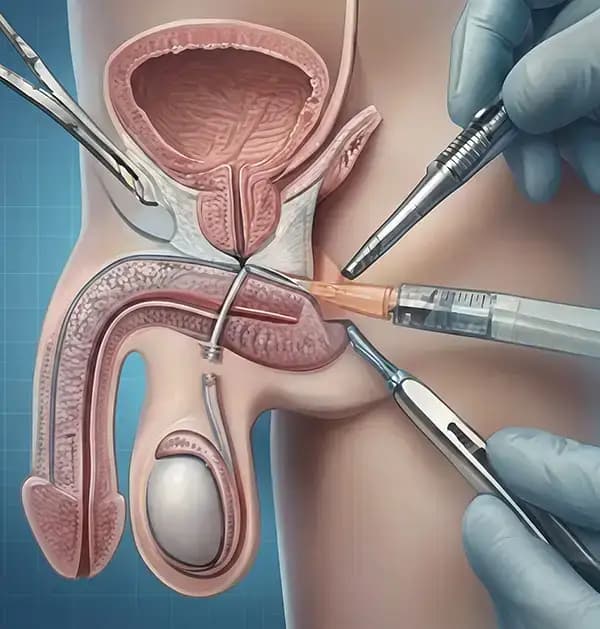
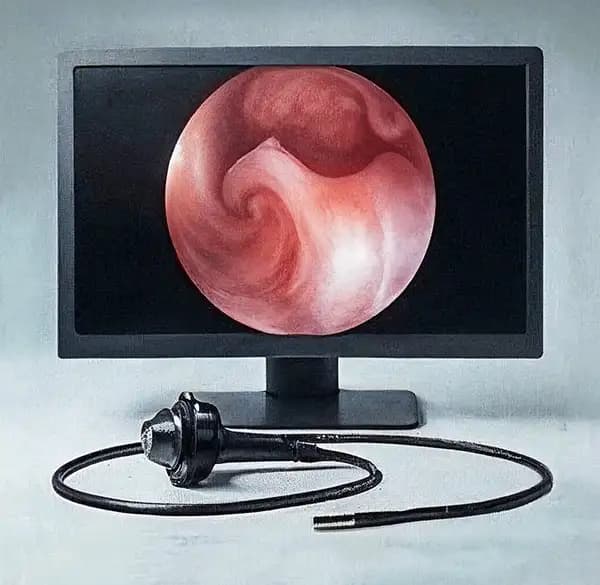
Flexible scope inserted through urethra, bladder, and up ureter to stone.
Laser Fragmentation
Holmium laser breaks stone into fine fragments. Pieces extracted or left to pass.
Stent Placement
Temporary ureteral stent may be placed to aid healing. Removed in 1-2 weeks.
Safety & Complications
Laser lithotripsy has an excellent safety profile when performed by an experienced urologist. Minor risks include temporary hematuria (blood in urine), urinary urgency, or mild flank discomfort for a few days. Serious complications such as perforation or stricture are rare, occurring in fewer than 2% of cases.
Suitable Candidates
- Patients with kidney or ureteral stones >5mm.
- Those experiencing severe pain, infection, or obstruction.
- Individuals with stones that won't pass naturally.
- Patients seeking minimally invasive treatment over open surgery.
Recovery & Follow-up
Passing Dust
Initial recovery. Fine stone dust may pass in urine. Mild discomfort.
Stent Removal
Temporary stent is removed in an office visit. Immediate relief.
Clearance Confirmation
Follow-up imaging to confirm stone-free status and ensure complete clearance.
Frequently Asked Questions
QDoes laser lithotripsy require any incisions?
No. The entire procedure is performed through the urethra using a thin scope. There are no external cuts or incisions.
QWill I need a ureteral stent after the procedure?
In many cases, yes. A temporary stent helps drainage and prevents swelling. It is removed during a brief office visit after 1–2 weeks.
QCan all kidney stones be treated with laser lithotripsy?
Most kidney and ureteral stones can be effectively treated with laser. Very large stones (over 3cm) may require a different approach such as PCNL (percutaneous nephrolithotomy).
Ready to Start?
Consult with our Board-certified specialists at M-Trust Urology for Kidney Stone Laser Treatment Pattaya | Real Results Lithotripsy.