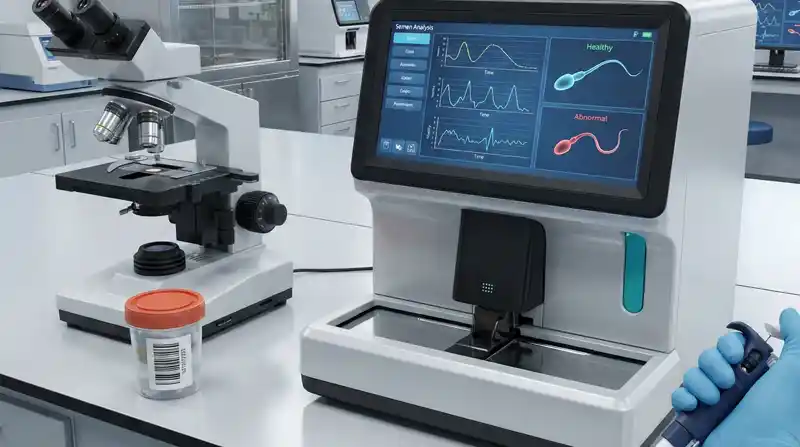

Prostate cancer is the second most common cancer in men worldwide, yet early-stage disease often has no symptoms. This silent nature makes regular PSA (Prostate-Specific Antigen) blood testing absolutely critical for early detection and successful treatment.
What is PSA Testing?
PSA is a protein produced by the prostate gland. Elevated levels can indicate prostate cancer, BPH, or prostatitis. A simple blood test can detect abnormalities years before symptoms appear.
- Normal PSA: <4.0 ng/mL (varies by age)
- Gray zone: 4.0-10.0 ng/mL (requires further investigation)
- High risk: >10.0 ng/mL (immediate workup needed)
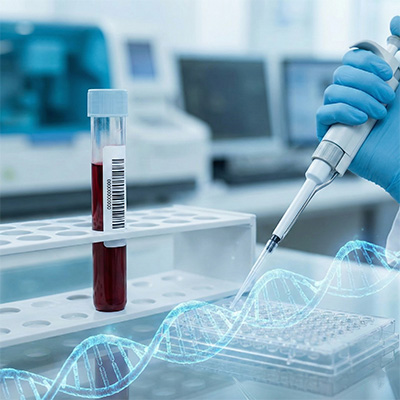
Early detection saves lives: PSA screening
Warning Signs (Advanced Disease)
While early prostate cancer is asymptomatic, advanced disease may cause urinary issues, blood in urine, bone pain, or erectile dysfunction. Don't wait for symptoms—get screened.
"Men over 50 (or over 40 with family history) should have annual PSA tests. Early detection increases 5-year survival rates to nearly 100%."
Screening Recommendations:
- Age 50+: Annual PSA test
- Age 40+ with family history: Start earlier
- Combine PSA with digital rectal exam (DRE)
- Results ready in 24-48 hours