Clinical Key Takeaways (At a Glance)
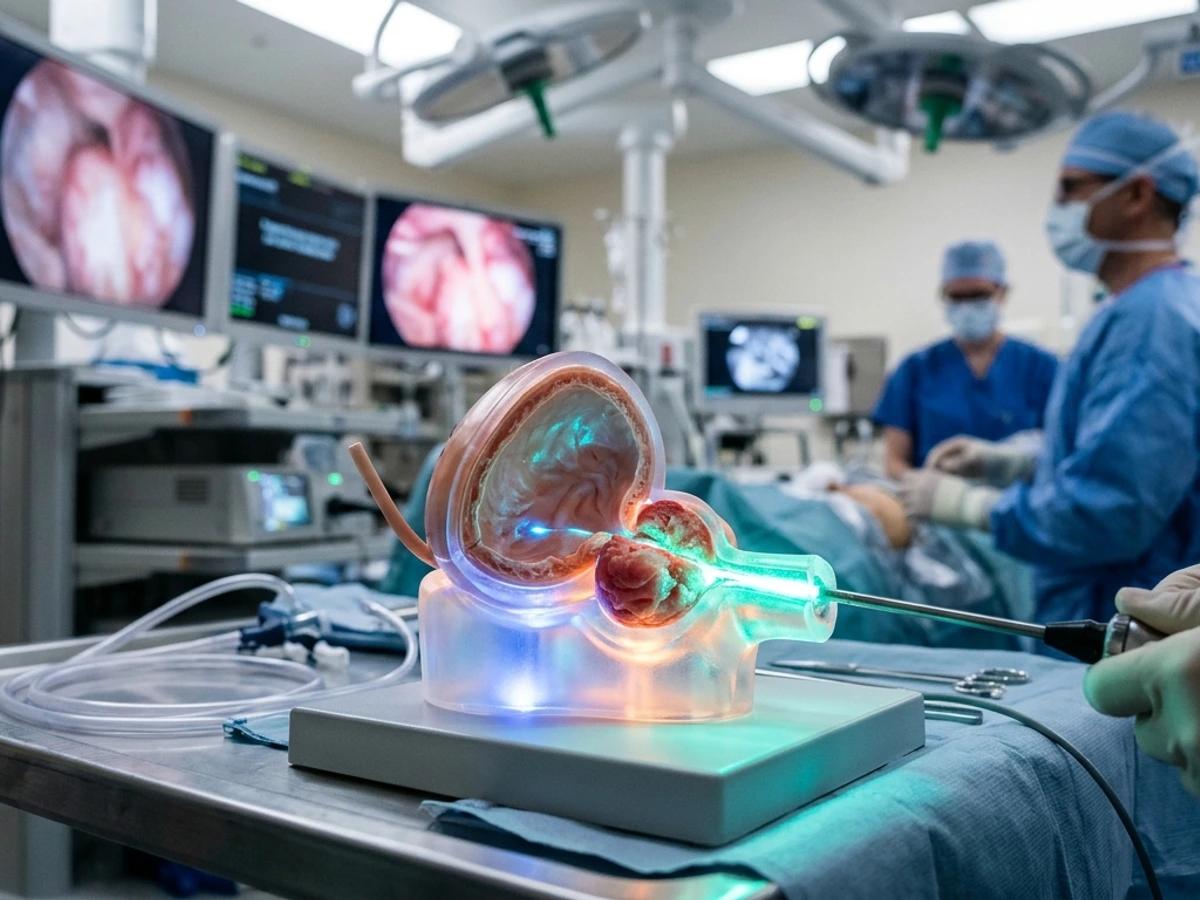
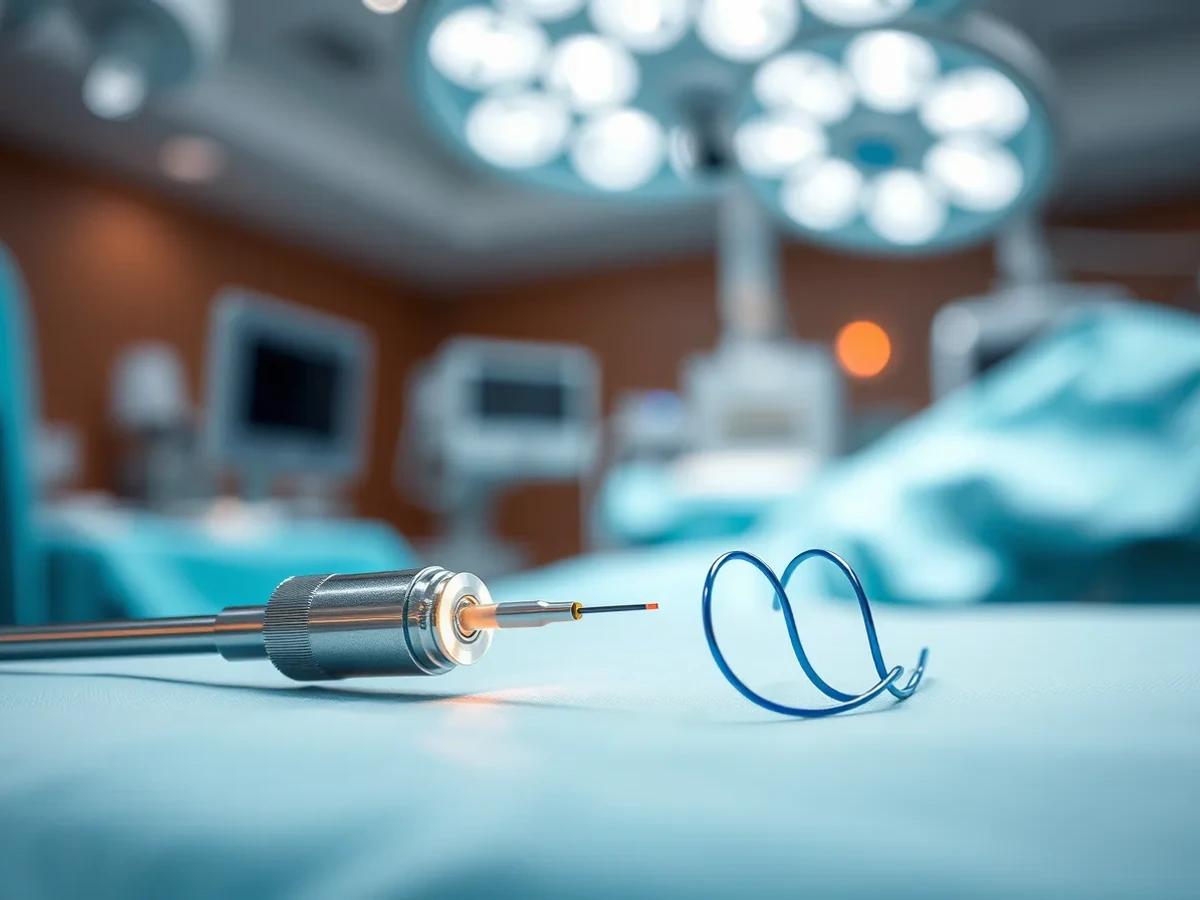
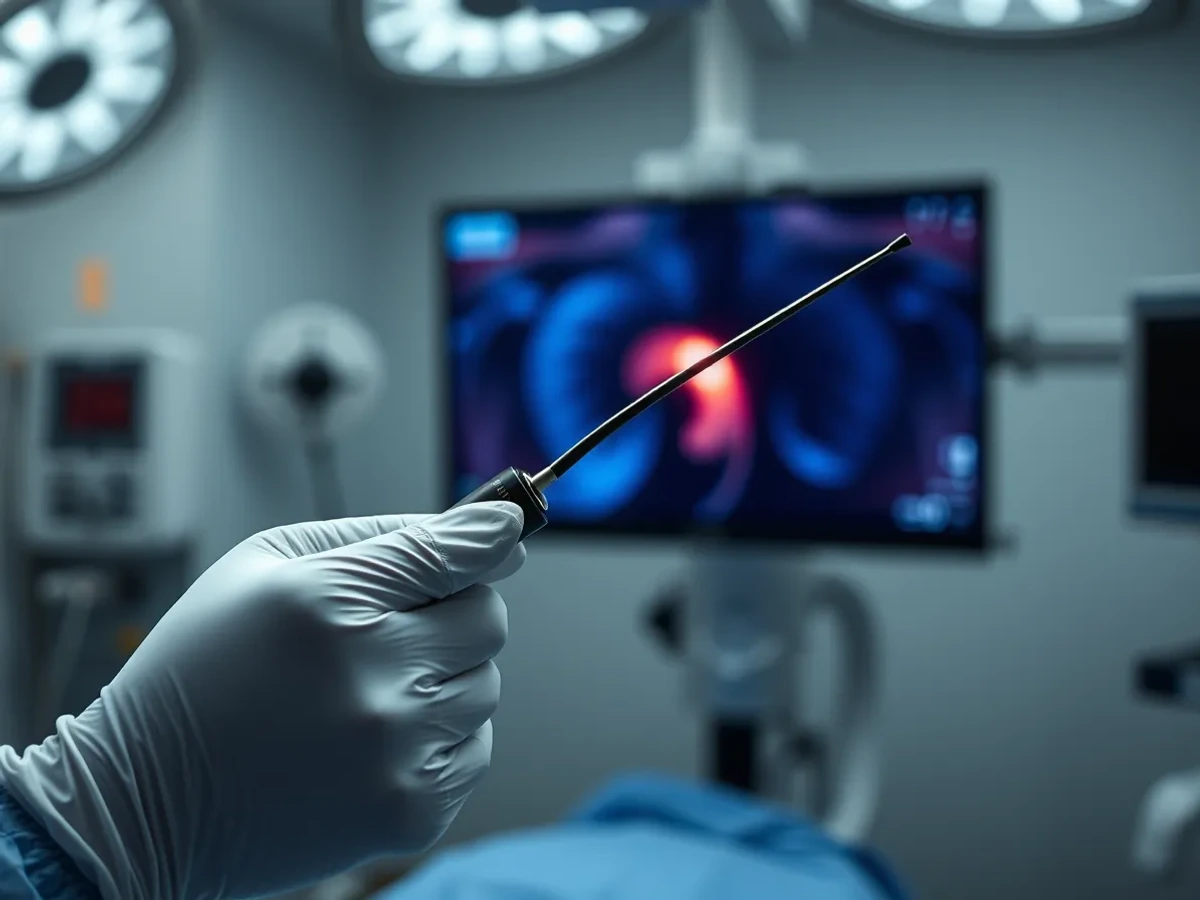
- Steerable Tip Reaches Almost Every Calyx: Retrograde Intrarenal Surgery (RIRS) threads a bendable digital scope through the urethra, bladder, and ureter directly into the kidney—zero skin incisions.
- Ideal for Stones Up to ~2 cm & Lower-Pole Calculi: Vaporizes kidney stones into fine dust under general anesthesia (1–2 hours, 1-night stay), outperforming shockwaves for lower-pole stones.
- Structured Stent & Imaging Follow-Up: A Double-J stent may stay 1–2 weeks (never miss removal!), followed by ultrasound/X-ray/CT to confirm complete stone clearance.
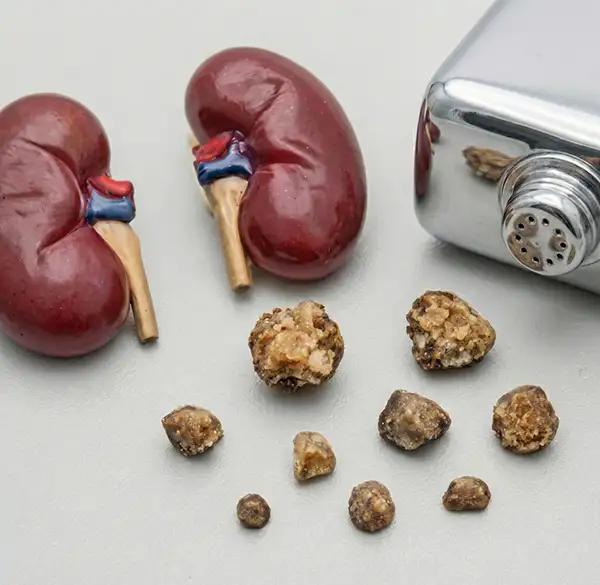
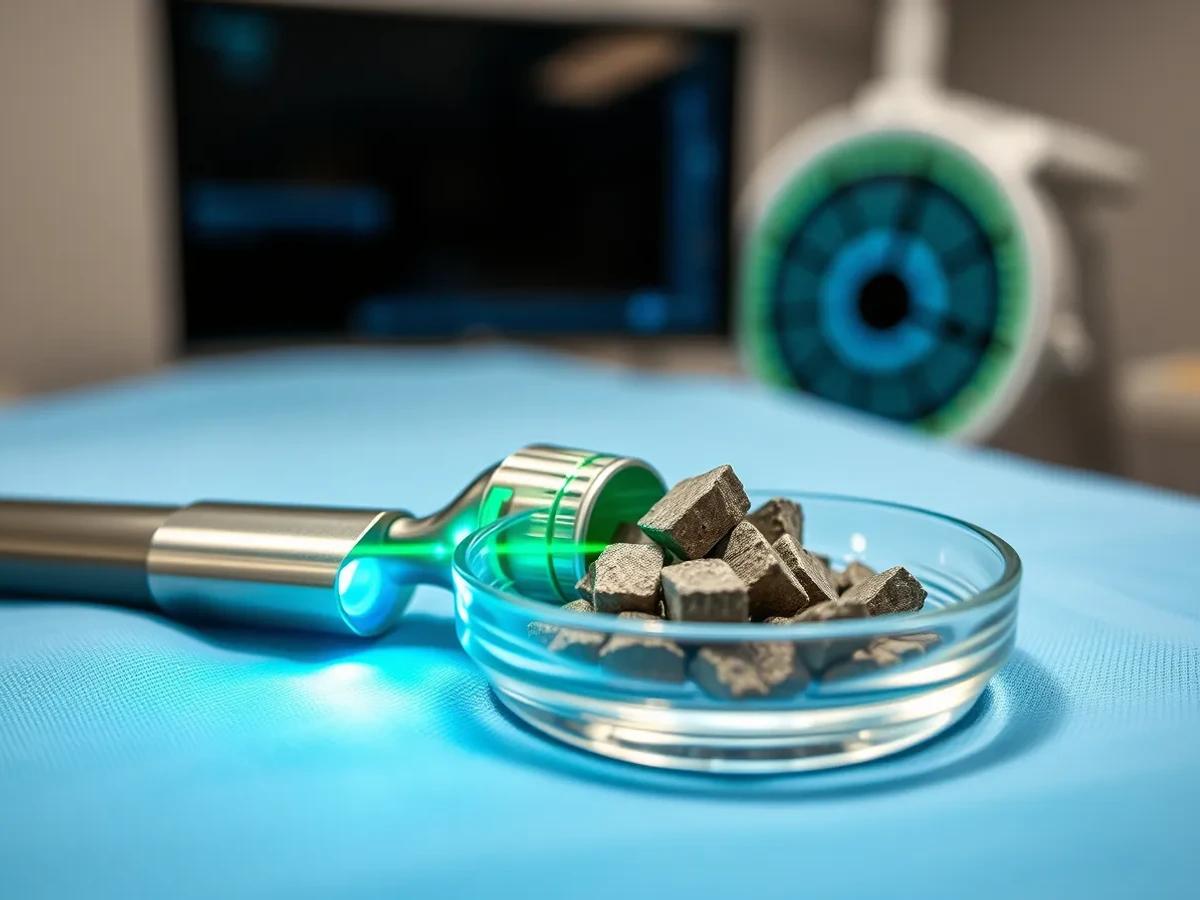
Inside the kidney sits a branching network of small collecting cups (calyces) where mineral crystals can grow into stones. When stones reach up to 2 centimeters—particularly in the gravity-dependent lower pole where shockwave fragments struggle to drain—Dr. Niti Navanimitkul (ว.29673) explains how RIRS (Retrograde Intrarenal Surgery) navigates an ultra-thin flexible ureteroscope around tight renal angles to turn stones into fine dust with Holmium laser energy.
Comparing Modern Kidney Stone Treatments
| Modality | Best Stone Size / Location | Invasiveness |
|---|---|---|
| RIRS (Flexible Laser Scope) | Up to ~2 cm, including lower-pole & ESWL-resistant stones | Zero skin cuts (natural urinary channel, 1-night stay) |
| ESWL (External Shockwaves) | Smaller, softer upper/mid-pole stones | Non-invasive external acoustic pulses; fragments must pass on their own |
| PCNL (Keyhole Back Surgery) | Large renal or staghorn stones >2 cm | Small ~1 cm keyhole tract through the flank directly into the kidney |
Remember: a kidney stone accompanied by fever or chills is a medical emergency—seek urgent hospital care immediately. For elective scarless RIRS kidney stone consultation, schedule an appointment with Dr. Niti at M-Trust Urology Clinic Pattaya.