Clinical Key Takeaways (At a Glance)
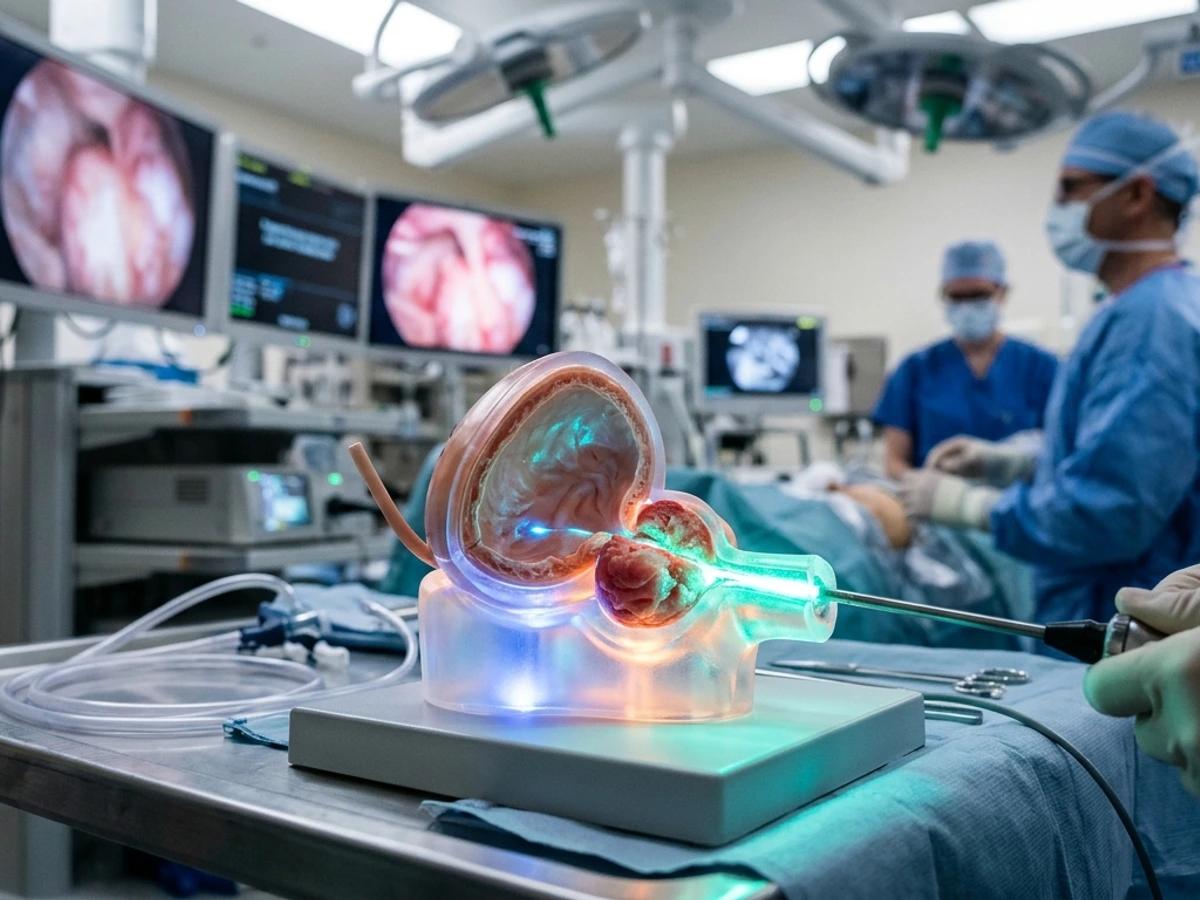
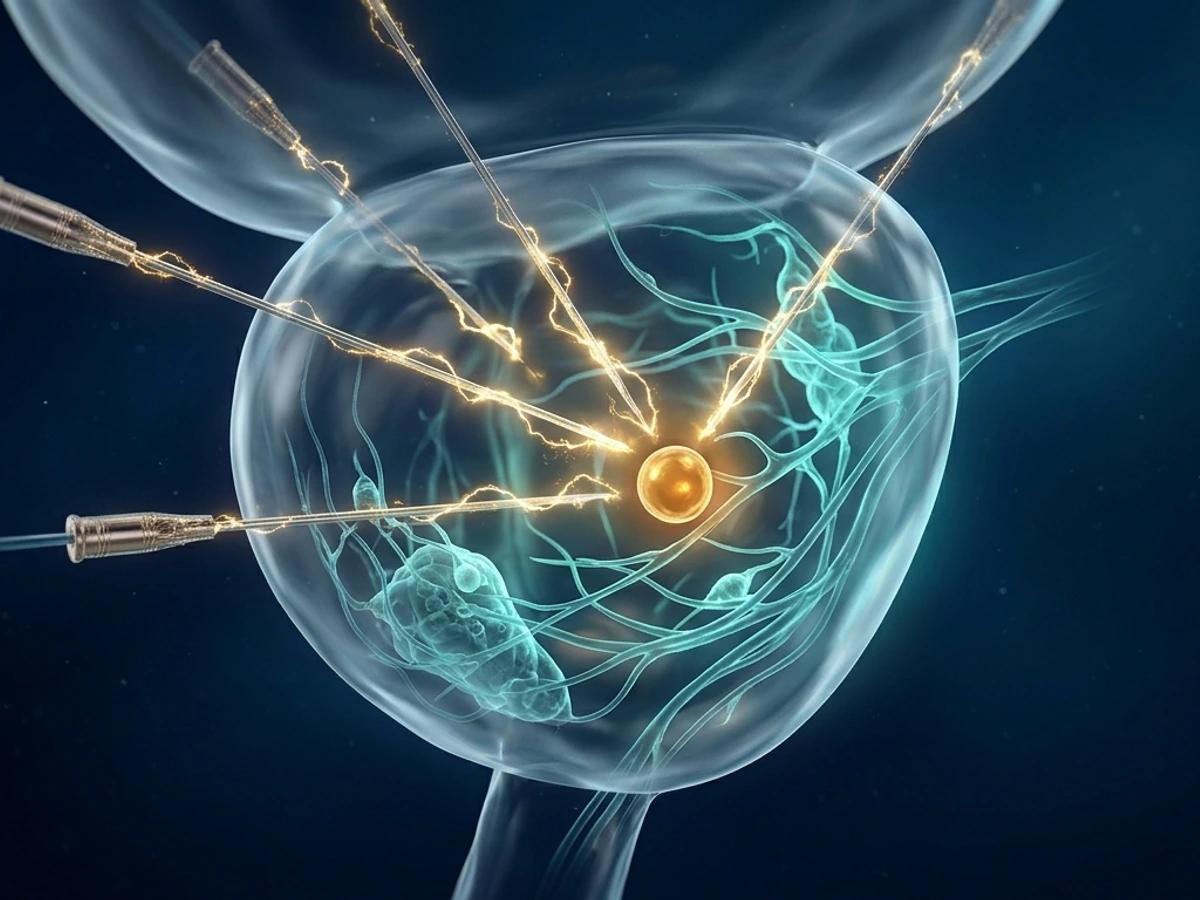
- Non-Thermal Focal Ablation: Irreversible Electroporation (IRE / NanoKnife) destroys a single localized prostate tumor using short electrical pulses rather than heat or freezing.
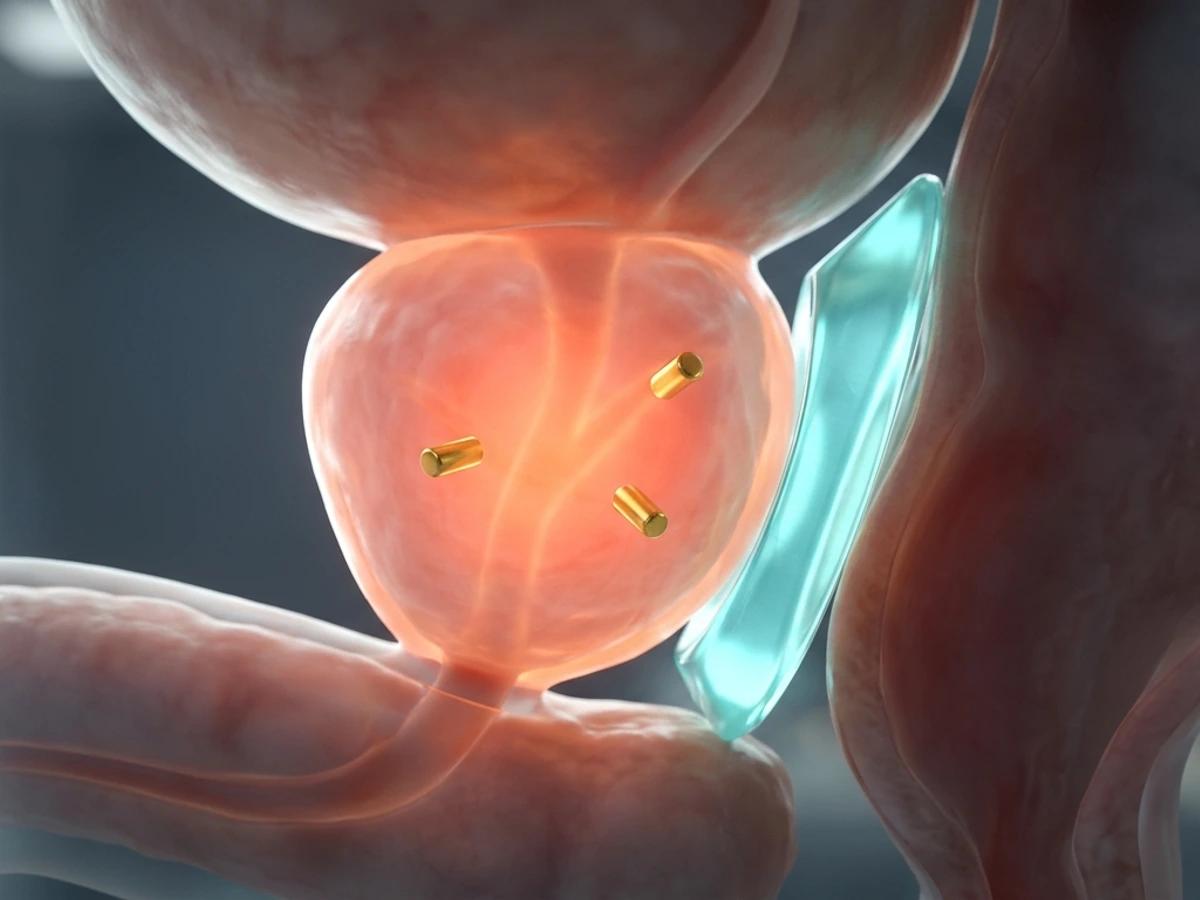
- Tissue-Sparing Mechanism: Preserves structural collagen around neurovascular bundles and the urethra, minimizing urinary incontinence and reducing erectile nerve injury compared with whole-gland surgery.
- Strict Selection & Surveillance: Best suited for MRI-visible, biopsy-proven unifocal low-to-intermediate-risk disease, paired with mandatory PSA checks and 6–12 month MRI follow-up.
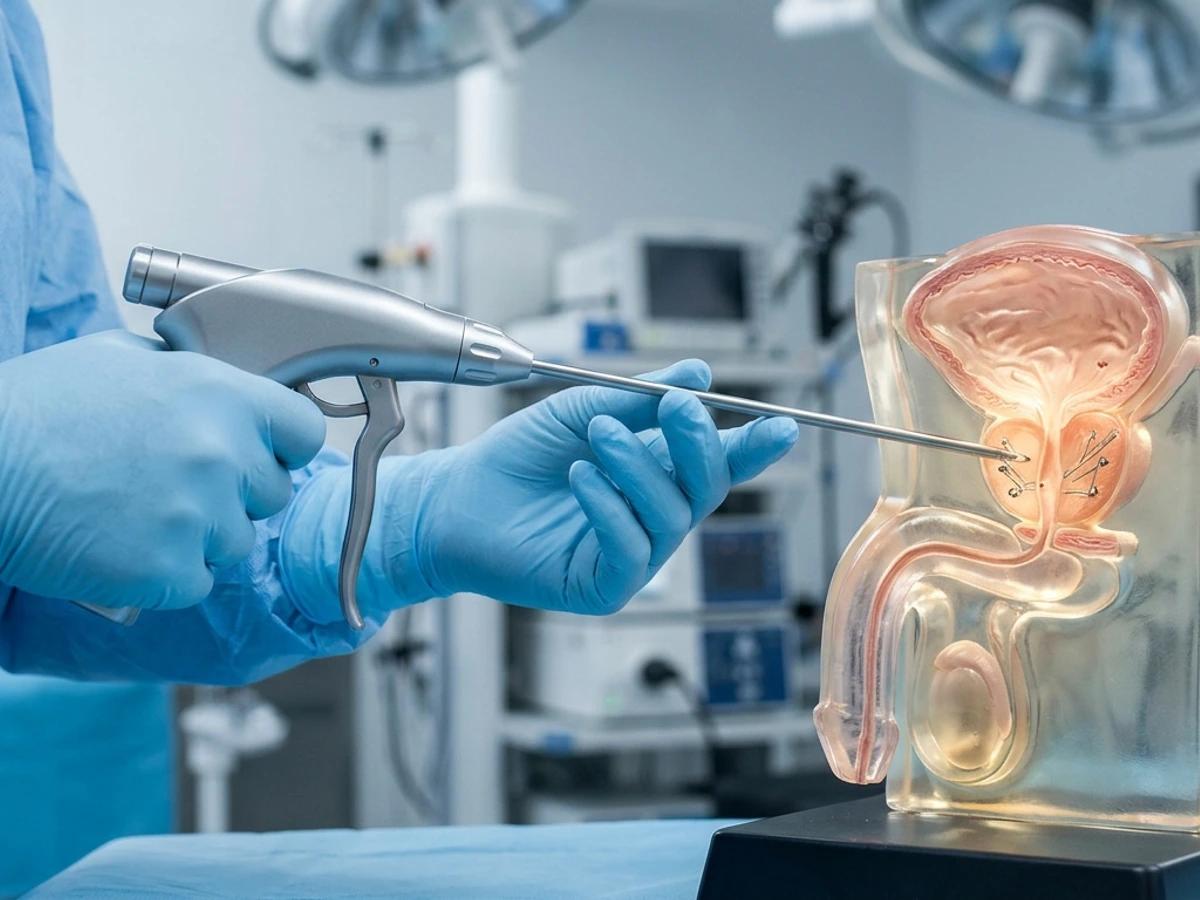
Historically, men diagnosed with localized prostate cancer faced an all-or-nothing choice between active surveillance and whole-gland radical treatments (surgery or radiotherapy), which can impact erections and bladder control. When cancer is confined to a single well-defined spot, Focal Therapy with IRE (NanoKnife) offers a targeted middle path—treating the tumor plus a safety margin while leaving healthy prostate tissue untouched.
How Non-Thermal Irreversible Electroporation Sparing Works
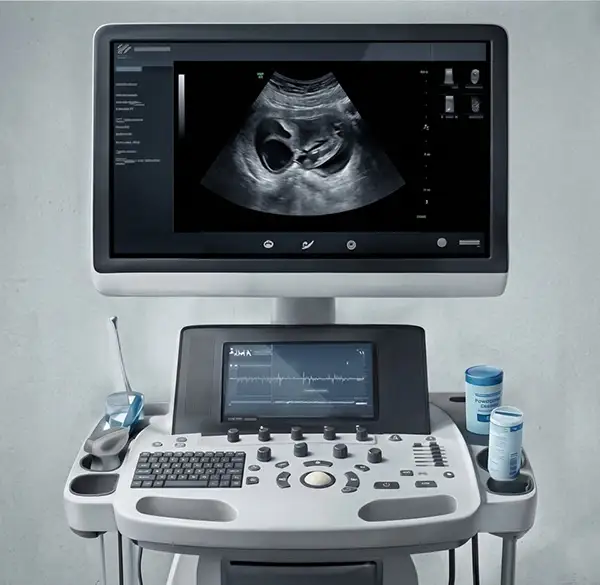
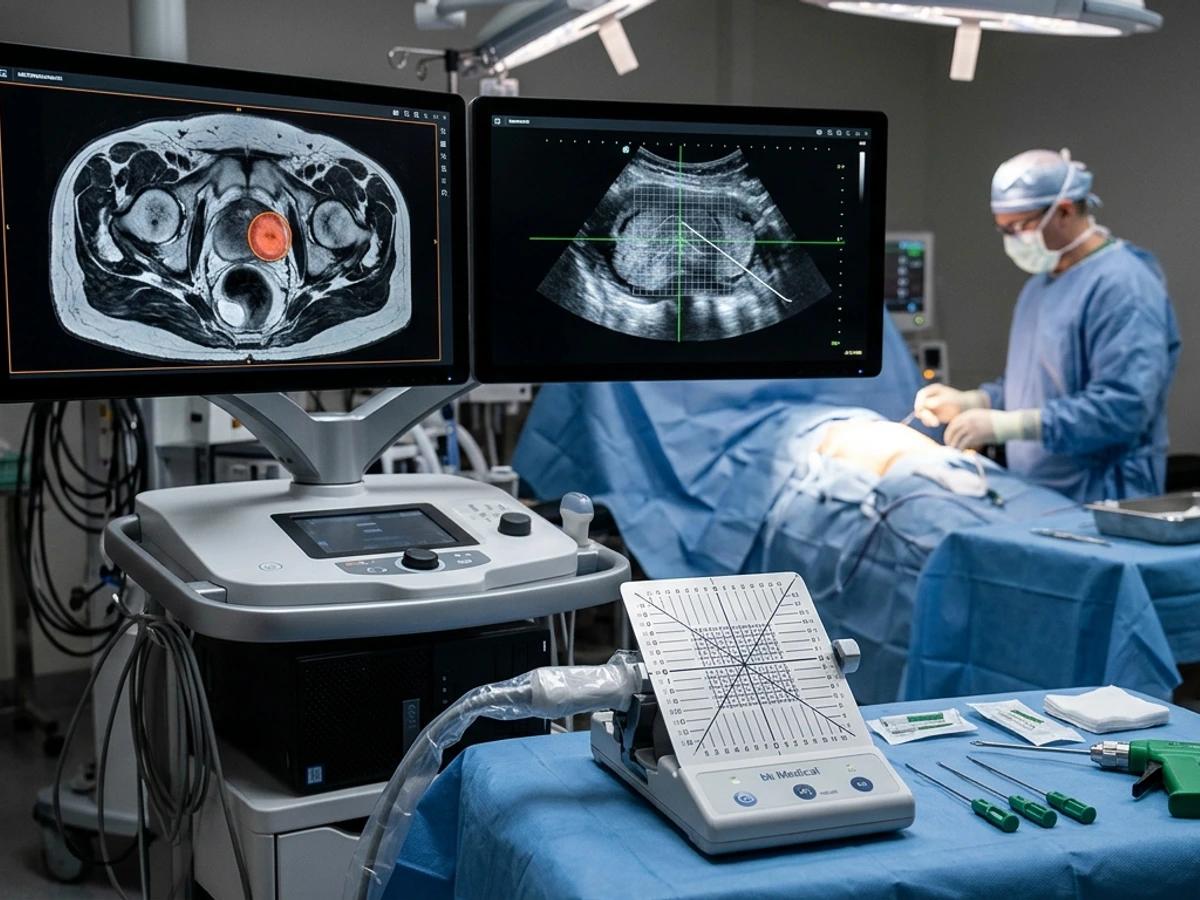
Under general anesthesia with complete muscle relaxation, Dr. Niti Navanimitkul places ultra-thin electrode needles through a sterile perineal template guided by real-time ultrasound and MRI fusion mapping—without a single scalpel incision. Microsecond high-voltage pulses open permanent nanoscale pores in cancer cell membranes, causing programmed cell death while sparing collagen frameworks in adjacent blood vessels, erectile nerves, and the urinary sphincter.
Who Suits IRE — And Who Does Not?
- Potentially Suitable: Organ-confined prostate cancer, low-to-intermediate risk, one dominant index lesion on multiparametric MRI confirmed by targeted + systematic biopsy.
- Not Recommended: Multifocal bilateral tumors, high-risk aggressive histology, or extraprostatic / metastatic spread.
- Guideline Transparency: As Dr. Niti emphasizes, IRE is an encouraging modern focal modality with strong functional preservation, though long-term 10-to-15-year comparative data are still maturing alongside standard options.
Hospital Stay, Catheter Care & Mandatory Follow-Up
The procedure lasts 1 to 2 hours with a 1-night hospital stay. Because transient prostate swelling occurs after ablation, a soft urinary catheter remains in place for approximately 1 week. Urinary leakage is rare, though temporary urinary retention, mild hematuria, or changes in ejaculation/erections can occur in a subset of men. Post-treatment vigilancia—serial PSA blood testing, repeat multiparametric MRI at 6–12 months, and targeted re-biopsy if indicated—is essential. Schedule a focal therapy evaluation with Dr. Niti to review your MRI and pathology report.