Clinical Key Takeaways (At a Glance)
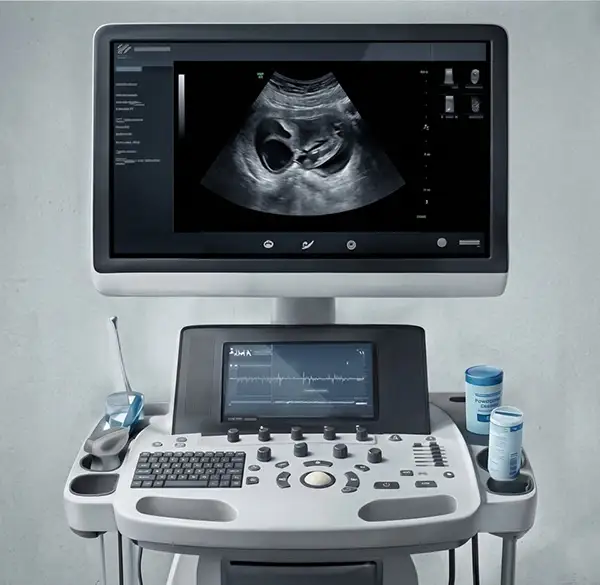
- Pinpoints the Exact Root Cause of ED: Radiation-free Penile Duplex Doppler Ultrasound distinguishes arterial insufficiency from veno-occlusive leak and maps Peyronie's disease plaques in under 30 minutes.
- Micro-Dose Pharmacologic Stimulation: Uses a tiny 10–15 mcg Alprostadil test dose after baseline scanning; patients can drive and return to desk work normally afterwards.
- 3-Hour / 4-Hour Safety Protocol: Call the clinic if still erect at 3 hours; go straight to the nearest emergency room at 4 hours (priapism).
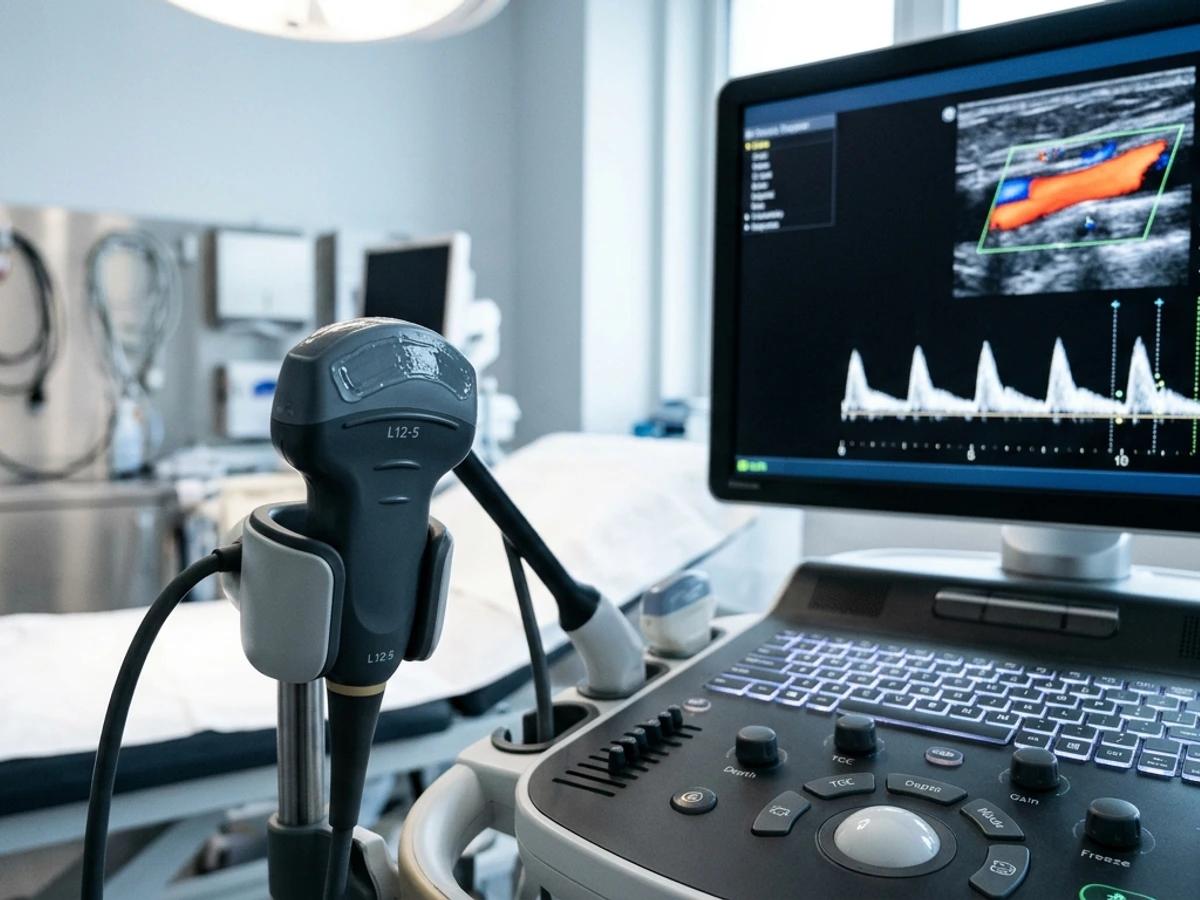
Guessing why erections are failing wastes time and money on treatments that cannot work for your specific vascular profile. In this concise patient guide, Dr. Niti Navanimitkul (ว.29673) explains how Penile Doppler Ultrasound evaluates blood flow inside the cavernosal arteries during a controlled pharmacologic erection—helping choose accurately between shockwave therapy, penile injections, Peyronie's treatment, or a penile implant.
Before, During & After Your Scan
- Before the Scan: Hold oral ED medications as instructed and inform Dr. Niti if you take blood thinners or have sickle-cell / hematologic conditions.
- During the Scan (<30 mins): Baseline grayscale ultrasound inspects cavernosal tissue and any calcified or fibrous plaques, followed by a tiny 10–15 mcg Alprostadil injection and serial Doppler flow measurements.
- Aftercare & Safety: Mild aching or a tiny bruise at the injection spot settles quickly; avoid sexual activity until the test erection has completely subsided, and follow the 3-hour call / 4-hour ER rule strictly.
Ready for an objective vascular diagnosis? Explore Specialized Urological Ultrasound and Peyronie's Disease Care, or book your private Doppler appointment in Pattaya.